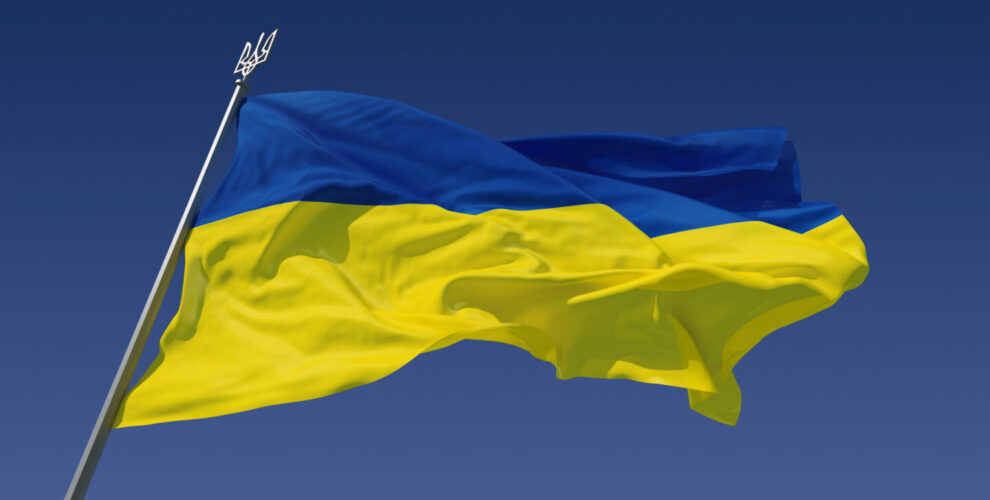

Unveiled on St Andrew’s Day 1965, the Saltire Memorial in Athelstaneford, birthplace of the Scottish flag, has deteriorated beyond repair. It now requires urgent replacement, and the Scottish Flag Trust must raise over £300,000 to make this happen. The proposed design will feature a world map, etched in stone, testament to the global kinship of […]

New Embo flag unveiled
The new Embo flag – a community flag representing this tiny Sutherland village – recently entered the Flag Registry. Its origins date back to 16 July 1988, when the village declared UDI as the ‘Independent State of Embo’. The flag was a horizontal tricolour of red, gold and blue. Red represents Embo’s Viking heritage; gold, […]
Talking flags, community and identity
Talking flags, community and identity with the Big Issue. That’s our President Malcolm Farrow in his latest round of press and radio interviews. www.bigissue.com/news/politics/wave-st-georges-flags-england-national-identity/ Catch up with our earlier Flag Institute press release here. And follow us on BlueSky … “A flag is nothing more than a symbol. That’s all it is. Humanity, ever since […]
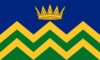
New Cumbria flag unveiled
The new Cumbria flag – a community flag representing this historic region – has entered the UK Flag Registry. Ben Walker’s winning design features a bold horizontal zigzag pattern in green and yellow, representing the rugged local landscape. Above this, on a blue field, is a heraldic ancient crown, evoking Cumbria’s past as an independent […]
Join or renew online